
Living plant-based doesn’t mean sacrificing protein. Here’s how to keep it simple, delicious, and nourishing.
If you’re exploring a plant-based lifestyle, one of the first questions that often comes up is: “But where do vegans get their protein?”
The good news? There are plenty of high-protein vegan foods for beginners that are easy to find, simple to cook, and naturally satisfying. You don’t need fancy ingredients, complicated recipes, or expensive products to meet your protein needs on a vegan diet.
In this gentle guide, we’ll explore the best plant-based protein sources, how to use them in everyday meals, and simple ideas to help you feel fueled, energized, and nourished — without overwhelm or stress.
Why Protein Matters (Even on a Gentle Lifestyle)
Protein plays a huge role in your energy, fullness, and overall well-being. It’s essential for:
- Hormone balance
- Muscle recovery
- Keeping you full longer
- Stabilizing blood sugar
- Supporting a healthy metabolism
If you’re new to plant-based eating, or simply trying to eat more intentionally, understanding protein helps you build meals that feel satisfying instead of leaving you hungry an hour later.
The best part? You don’t need to obsessively track your macros.
You just need a handful of high-protein vegan foods for beginners and simple ways to add them into your daily routine.
The Best High-Protein Vegan Foods for Beginners
Below are the most accessible, affordable, and beginner-friendly plant-based proteins — with grams of protein per cup (or standard serving), so you always know what to reach for.
1. Lentils (18g protein per cup cooked)
Lentils are a powerhouse: cheap, quick to cook, and incredibly versatile.
They can turn into soups, salads, tacos, stews, pastas, and even high-protein vegan bowls.
Why beginners love it:
- No soaking
- Cooks in 20 minutes
- Neutral flavor pairs with anything
Easy meal idea:
- Lentil tomato pasta with spinach
- Lentil tacos with avocado and lime
- Red lentil curry with rice
2. Chickpeas (15g protein per cup cooked)
Chickpeas add heartiness and texture to meals. You can roast them, mash them, blend them, or toss them into salads.
Easy meal idea:
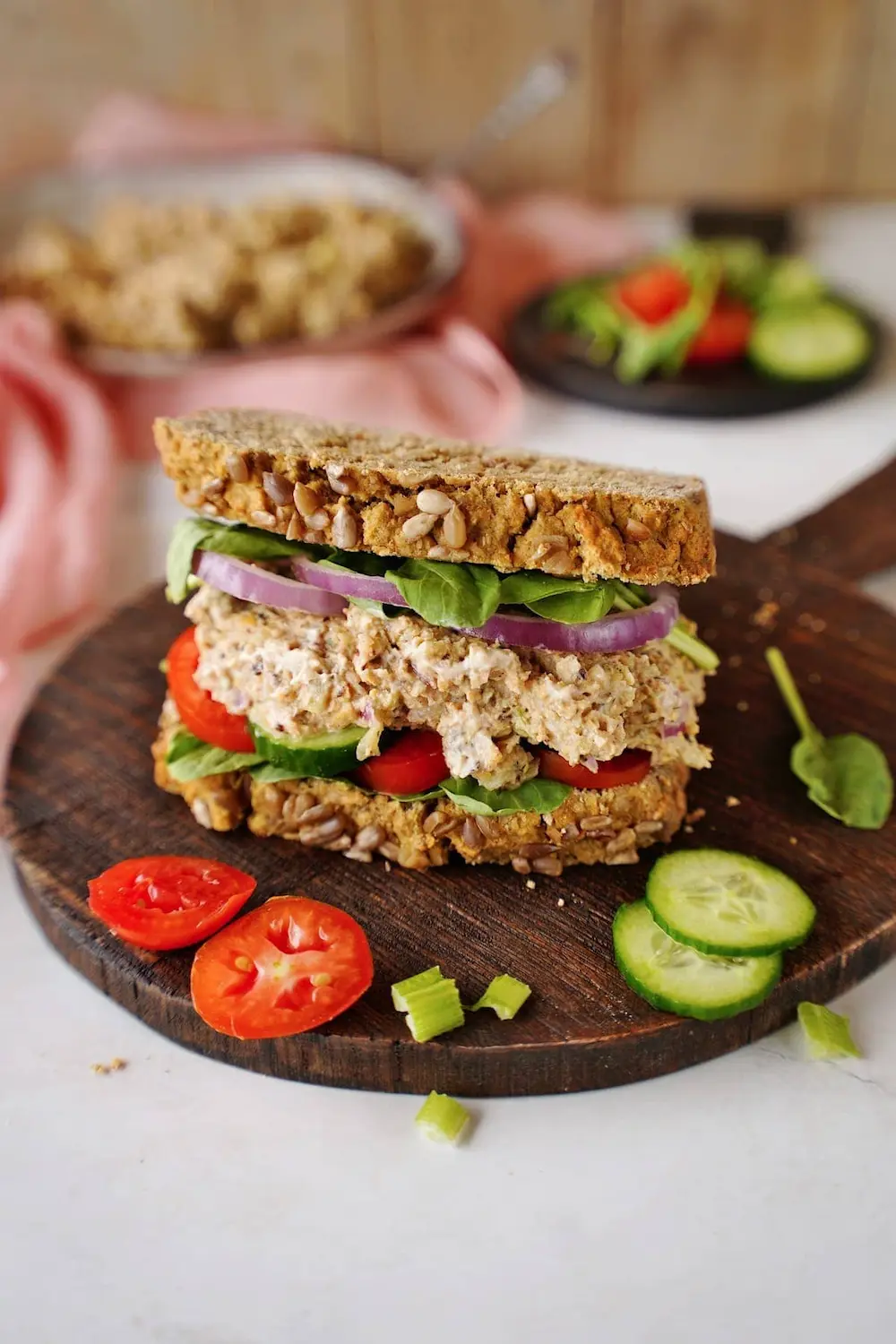
- Chickpea “tuna” salad
- Roasted chickpea bowls with quinoa
- Chickpea curry with coconut milk
They also store perfectly in your pantry — a must for a simple vegan kitchen.
3. Tofu (15–20g protein per block)
Tofu is one of the most popular high-protein vegan foods for beginners because it absorbs any flavor you add. It’s excellent for meal prep and takes less than 10 minutes to cook.
Simple ways to use tofu:
- Pan-fried tofu cubes
- Scrambled tofu for breakfast
- Crispy tofu in rice bowls
Tip: Press it for 10–15 minutes, and it becomes beautifully firm and delicious.
4. Tempeh (21g protein per cup)
Tempeh is tofu’s fermented cousin — nutty, firm, and wonderfully filling. Many beginners prefer tempeh because it’s easier to cook than they expect.
Best uses:
- Tempeh stir fry
- Tempeh “bacon”
- Tempeh bowls with veggies and rice
It’s also rich in probiotics, making it great for digestion.
5. Edamame (18g protein per cup)
If you want a high-protein snack, edamame is perfect. You can buy it frozen and microwave it in minutes.
Use edamame in:
- Salads
- Stir fries
- Buddha bowls
- Wraps and sandwiches
A sprinkle of salt and lemon transforms it into a quick, nutrient-dense bite.
6. Black Beans (15g protein per cup cooked)
Black beans are comforting, hearty, and extremely budget-friendly. They work beautifully in Latin-inspired dishes, bowls, and soups.
Easy meal ideas:
- Black bean burritos
- Black bean chili
- Rice bowls with avocado and corn
If you want meals that are filling but gentle, black beans are perfect.
7. Quinoa (8g protein per cup cooked)
Quinoa is a complete protein — meaning it contains all 9 essential amino acids. It’s fluffy, slightly nutty, and ready in under 15 minutes.
Use quinoa for:
- Meal prep bowls
- High-protein salads
- Breakfast porridge with fruit
It pairs especially well with veggies and tofu.
8. Oats (6g protein per cup cooked)
Oats are not just for breakfast. They’re a great base for snacks, healthy desserts, and post-workout meals.
Easy ways to enjoy oats:
- Overnight oats
- Oat pancakes
- Oat + tofu protein smoothies
Add a spoonful of nut butter for extra staying power.
9. Hemp Seeds (10g protein per 3 tbsp)
These tiny seeds are one of the easiest ways to boost your protein naturally. They’re soft, neutral in flavor, and blend into anything.
Use hemp seeds on:
- Smoothies
- Salads
- Soups
- Avocado toast
They’re especially helpful if you’re trying to increase protein without cooking more food.
10. Nutritional Yeast (8g protein per 2 tbsp)
Often called “nooch,” this flaky, cheesy seasoning adds flavor and protein to all kinds of meals.
Add nutritional yeast to:
- Pasta
- Soups
- Scrambles
- Popcorn (trust me)
It also gives you a boost of B-vitamins.
Simple High-Protein Vegan Meal Ideas for Beginners
Now that you know the staples, let’s turn them into easy, nourishing meals you can make in minutes.
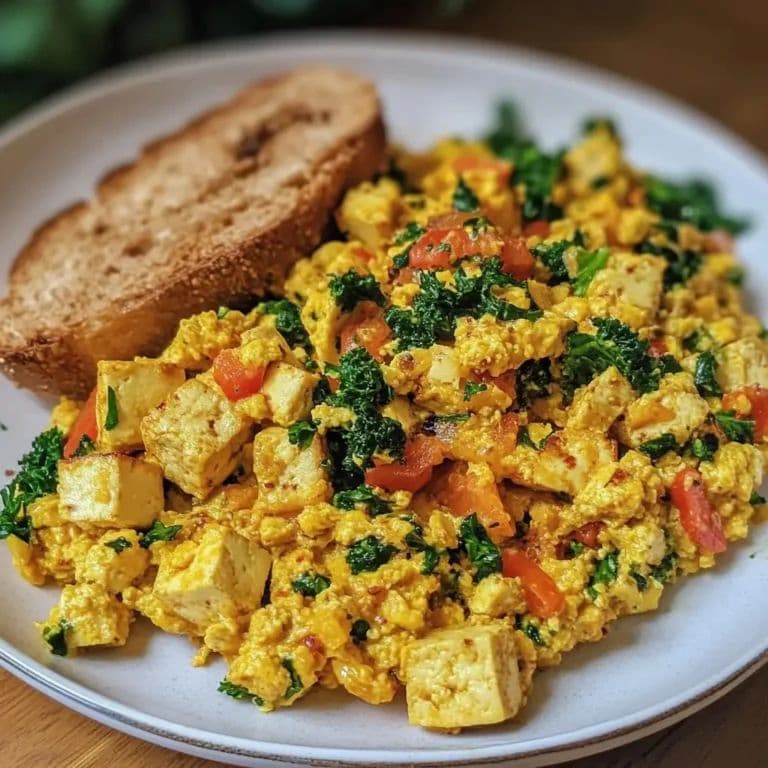
1. 10-Minute Tofu Scramble
A high-protein breakfast that feels hearty and comforting.
Ingredients:
- ½ block tofu
- Turmeric, salt, garlic powder
- Spinach
- Nutritional yeast
Why it works:
It’s fast, filling, and endlessly customizable.
2. Lentil Veggie Pasta
Cook pasta → add cooked lentils → toss with tomato sauce → add spinach.
High-protein. Simple. Delicious.
3. Chickpea Avocado Wrap
Mash chickpeas + lemon + salt → spread on a tortilla → add veggies.
Takes 5 minutes.
4. Tempeh Stir Fry
Cook tempeh cubes with soy sauce → add veggies → serve over rice.
Balanced and satisfying.
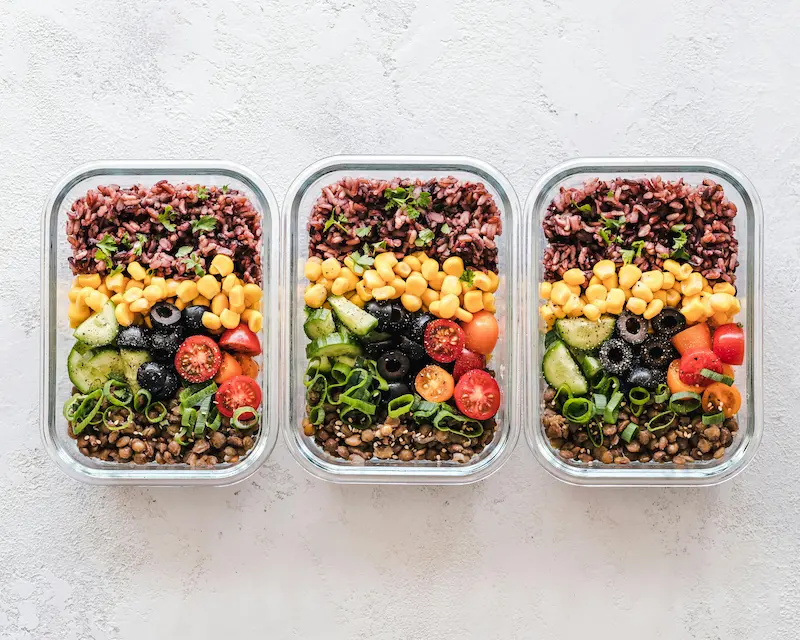
5. High-Protein Buddha Bowl
- Base: quinoa
- Protein: tofu, tempeh, or beans
- Veggies: any
- Topping: tahini + lemon
Perfect for meal prep.
6. Edamame Snack Bowl
Warm edamame + sesame seeds + lemon + salt.
Provides instant energy without heavy cooking.
7. Creamy Protein Smoothie
Blend:
- Frozen banana
- Silken tofu (secret: high protein!)
- Oats
- Hemp seeds
- Plant milk
Tastes like dessert but fills you for hours.
How Much Protein Do You Actually Need?
Most women need anywhere from 50–70g of protein per day, depending on:
- Activity level
- Weight goals
- Age
- Muscle mass
Luckily, adding even two or three high-protein vegan foods for beginners to your daily meals can help you reach your needs easily.
How to Build a Balanced High-Protein Vegan Plate
Here’s a simple formula you can follow daily:
- Choose 1 protein: lentils, tofu, tempeh, chickpeas, beans
- Add 2 veggies: cooked or raw
- Add 1 whole grain: quinoa, brown rice, oats
- Add healthy fats: avocado, hemp seeds, tahini
This creates a filling, nourishing, well-balanced plate with minimal effort.
Why High-Protein Plant-Based Eating Is Perfect for Beginners
Eating more protein doesn’t have to be overwhelming. When you focus on gentle, accessible ingredients — not strict rules — you create meals that support your energy, mood, and health.
A few things you may notice when increasing your protein:
- More stable energy
- Better digestion
- Fewer cravings
- Improved mood
- Longer fullness
It’s a small change that creates a ripple effect in your well-being.
Final Thoughts: You Don’t Have to Do This Perfectly
Remember: you don’t need to overhaul your lifestyle overnight. Choose one or two high-protein vegan foods for beginners, add them to your meals this week, and notice how you feel.
Vegan eating becomes so much easier when you give yourself permission to keep things simple, flexible, and soft.
You deserve nourishment — without pressure.
Every day is a new beginning
I AM BACK AGAIN